An Aneurysm is a medical condition in which a weakened area of a blood vessel develops an abnormal bulge. Aneurysms can occur in different parts of the body, including the brain and major blood vessels. Depending on their location, size, and growth pattern, they may require regular monitoring, medication, or specialised surgical treatment. Early diagnosis and timely medical evaluation are important to reduce the risk of serious complications.
If you are looking for the Best Aneurysm Treatment in Chembur consulting an experienced specialist can help you understand your condition and explore appropriate treatment options. Aneurysm management depends on several factors, including the type of aneurysm, its size, location, symptoms, and the patient's overall health. A personalised treatment plan helps doctors determine whether observation, Endovascular treatment, or surgery is the most suitable approach.
An aneurysm occurs when a weakened area of a blood vessel wall expands outward, forming a bulge. Some aneurysms remain stable for years without causing noticeable symptoms, while others may grow over time. In certain cases, an aneurysm can rupture and cause potentially life-threatening internal bleeding. Early diagnosis and appropriate medical care are essential for managing the condition and reducing the risk of serious complications.
Brain aneurysms develop in blood vessels within or around the brain. If a brain aneurysm ruptures, it can cause bleeding around the brain, known as a subarachnoid haemorrhage. Aneurysms may also develop in the aorta, the body's main artery, and other blood vessels.
Patients diagnosed with an aneurysm should consult a qualified specialist to understand the condition and available treatment options. Those seeking the Best Aneurysm Treatment in Chembur should consider a specialist with relevant experience, access to appropriate diagnostic facilities, and the ability to recommend an individualised treatment plan.
A brain aneurysm, also known as a cerebral aneurysm, is a bulge in a Blood Vessel in the brain. Many unruptured brain aneurysms do not cause symptoms and may be discovered during imaging performed for another reason. However, some aneurysms can press on nearby nerves or rupture, causing bleeding that requires immediate medical attention.
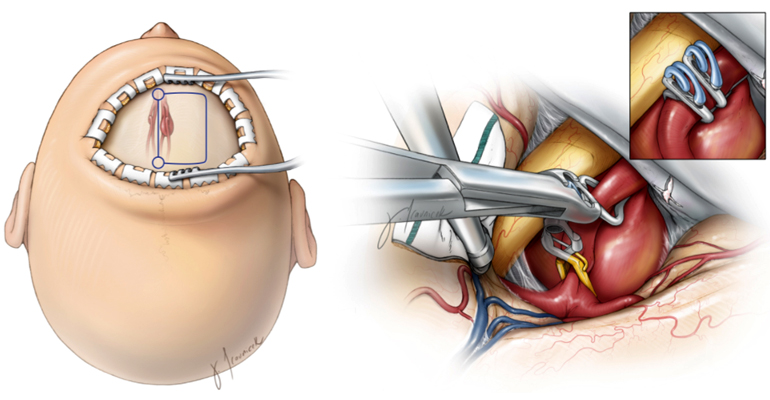
Depending on the aneurysm's size, location, shape, and risk of rupture, treatment may involve regular monitoring, endovascular coiling, flow-diverting devices in selected cases, or surgical clipping. A specialist can assess these factors and explain which treatment approach may be appropriate for the patient.
An aortic aneurysm develops in the aorta, the large artery that carries blood from the heart to the rest of the body. It may occur in the chest or abdomen. Some Aortic aneurysms grow slowly and require regular monitoring, while others may need intervention because of their size, growth, symptoms, or associated risk factors.
Treatment options include blood pressure management, regular imaging, open surgery, or endovascular repair. Patients with a suspected aortic aneurysm should consult an appropriate vascular or cardiothoracic specialist for an accurate assessment and treatment recommendations.
Peripheral aneurysms occur in blood vessels outside the brain and aorta, including arteries in the legs. Depending on their location, they may cause swelling, Discomfort, reduced blood flow, or complications related to blood clots.
A vascular specialist can evaluate the aneurysm, assess the risk of complications, and recommend suitable management. The choice between monitoring and intervention depends on the aneurysm's characteristics and the patient's overall health.Consult an appropriate specialist to review your reports, discuss your treatment options, and plan the next steps in your care.